RPL for Landscaping and Horticulture Workers in Australia
If you have spent years maintaining gardens, constructing landscapes, operating irrigation systems, managing outdoor projects, or supervising grounds maintenance teams, you may already possess the skills required for a nationally recognised qualification. What many experienced professionals lack is not capability but formal recognition. This is where RPL for Landscaping and Horticulture Workers can help. Through landscaping RPL Australia and horticulture RPL Australia, experienced workers can convert practical skills into nationally recognised qualifications without repeating training they already perform daily. Recognition of Prior Learning helps bridge the gap between workplace experience and formal certification.
How Landscaping and Horticulture RPL Works in Australia
Recognition of Prior Learning (RPL) is an assessment pathway that allows experienced professionals to convert their existing workplace skills into nationally recognised qualifications. Rather than completing lengthy training programs covering skills they already perform every day, candidates demonstrate competency through evidence gathered from their employment history, project work, references, workplace documents, and practical responsibilities. Through recognition of prior learning landscaping and recognition of prior learning horticulture, workers can gain formal recognition for the knowledge and expertise they have developed throughout their careers.
This pathway is particularly valuable for individuals working in landscape construction, garden maintenance, irrigation installation, turf management, nursery operations, parks and gardens maintenance, and commercial landscaping. Many experienced workers possess extensive industry knowledge but lack a formal qualification that reflects their capabilities. Through landscaping RPL Australia and horticulture RPL Australia, these professionals can convert their practical experience into a nationally recognised landscaping qualification or horticulture qualification through RPL without unnecessary duplication of learning.
For a complete explanation of how the process works across Australia, see our guide on What is RPL? Recognition of Prior Learning Explained.
Common Sources of Experience
Experience may come from landscape construction, commercial landscaping, parks and gardens maintenance, nursery operations, irrigation installation, turf management, revegetation projects, or groundskeeping. Many candidates have developed their skills through full-time employment, apprenticeships, self-employment, or supervisory positions within the landscaping and horticulture industries.
Why RPL Matters
A nationally recognised landscaping qualification or horticulture qualification can improve employability, support promotions, increase professional credibility, and help meet employer requirements. RPL provides a faster pathway for experienced workers who already perform industry-standard tasks daily.
Why Landscaping and Horticulture Qualifications Matter in Australia
Australia's landscaping and horticulture sectors continue to grow due to population growth, urban development, environmental initiatives, and increased investment in public infrastructure. According to Jobs and Skills Australia, occupations relating to gardening, groundskeeping, and landscape construction continue to experience workforce demand across multiple states and territories. As projects become larger and more technically complex, employers increasingly seek workers with both practical experience and recognised qualifications. Qualifications validate industry skills, demonstrate competency, and help businesses meet contractual, compliance, and safety requirements.
Growing Urban Development
Ongoing residential, commercial, and infrastructure development continues to increase demand for qualified landscaping professionals. New housing estates, public parks, and commercial developments require skilled workers capable of delivering high-quality landscape construction and maintenance services.
Environmental Sustainability
Sustainable landscaping, water management, native planting, and environmental rehabilitation projects are becoming increasingly important. Qualified horticulture professionals play a key role in supporting biodiversity, environmental restoration, and sustainable land management practices.
Employer Expectations
Many employers now prefer candidates who hold recognised qualifications because they demonstrate proven competency, industry knowledge, and commitment to professional standards. Qualifications can also support tender applications and workplace compliance requirements.

Why Experience Often Goes Unrecognised
Many landscaping and horticulture professionals developed their skills through workplace experience rather than formal study. While their practical capabilities often exceed qualification requirements, they may not possess nationally recognised credentials. This creates barriers when applying for promotions, leadership positions, or government-funded projects requiring certified personnel. Recognition of Prior Learning helps convert genuine workplace experience into formal qualifications.
Career Progression Through Experience
Many workers entered the industry in junior roles and gradually advanced into supervisory or specialist positions. Over time they developed expertise in landscape maintenance, project coordination, and horticultural practices without completing formal qualifications.
Business Owners and Contractors
Landscaping business owners often manage staff, budgets, clients, and projects while performing highly skilled technical work. Despite years of experience, many never obtained formal qualifications reflecting their capabilities.
Overseas Experience
Skilled migrants frequently arrive with substantial landscaping and horticulture experience gained overseas. RPL helps convert international experience into qualifications recognised throughout Australia.
What Is Landscaping and Horticulture RPL?
What Is Landscaping and Horticulture RPL?
Landscaping and horticulture RPL is a process that assesses your existing workplace skills and knowledge against nationally recognised qualifications. Rather than completing training for skills you already use every day, you provide evidence of your experience for assessment. Through landscaping RPL Australia and horticulture RPL Australia, experienced professionals can convert practical industry experience into formal qualifications.
Landscape Construction Skills
Candidates pursuing Certificate III in Landscape Construction RPL are assessed on practical skills developed through real workplace experience. Evidence may include landscape construction projects involving paving, retaining walls, drainage systems, irrigation installation, site preparation, outdoor structures, and plant establishment. These competencies demonstrate the technical knowledge and hands-on experience required within Australia's landscape construction industry.
Horticulture Skills
For Certificate III in Horticulture RPL, candidates may demonstrate competencies in plant identification, pruning, propagation, soil improvement, weed management, turf maintenance, and pest and disease control. Assessors review evidence showing how these skills have been applied in professional settings. These practical horticulture skills form the foundation of many garden maintenance, nursery, and parks management roles.
Project and Team Responsibilities
Candidates with senior responsibilities may also demonstrate skills beyond technical work. Evidence can include project planning, resource allocation, workplace health and safety compliance, team supervision, staff coordination, and client communication. These broader responsibilities help assessors evaluate leadership capabilities and may strengthen applications for landscaping and horticulture qualifications through Recognition of Prior Learning.
Signs You May Be Eligible
If you have developed your skills through practical workplace experience, you may already meet the requirements for a nationally recognised qualification. Landscaping RPL Australia and horticulture RPL Australia are designed for experienced professionals who regularly perform industry-standard tasks but may not hold formal credentials. Eligibility is assessed by reviewing your responsibilities, work history, and evidence of competency. The more extensive your experience across landscaping, horticulture, project work, or supervision, the stronger your application is likely to be.
Common Landscaping Responsibilities
You may be a strong candidate for recognition of prior learning landscaping if you regularly perform landscape construction or maintenance tasks. This can include installing irrigation systems, constructing retaining walls, laying paving, preparing sites, operating machinery, installing drainage solutions, and maintaining commercial landscapes. Experience managing landscape projects, supervising teams, or coordinating contractors can also support eligibility for a landscaping qualification through RPL.
Common Horticulture Responsibilities
Candidates seeking recognition of prior learning horticulture often possess extensive experience in plant care and garden maintenance. Responsibilities may include plant identification, pruning, propagation, soil improvement, turf management, weed control, and pest and disease management. Experience working in nurseries, parks and gardens, environmental restoration projects, or commercial horticulture operations can contribute toward a horticulture qualification through RPL.
Professional Responsibilities
Beyond technical skills, assessors also consider broader workplace responsibilities. Experience involving workplace health and safety compliance, customer communication, project planning, record keeping, team coordination, staff supervision, and quality control can strengthen your application. These responsibilities demonstrate professional competency and help show that your experience aligns with the requirements of a nationally recognised landscaping qualification or horticulture certification Australia pathway.
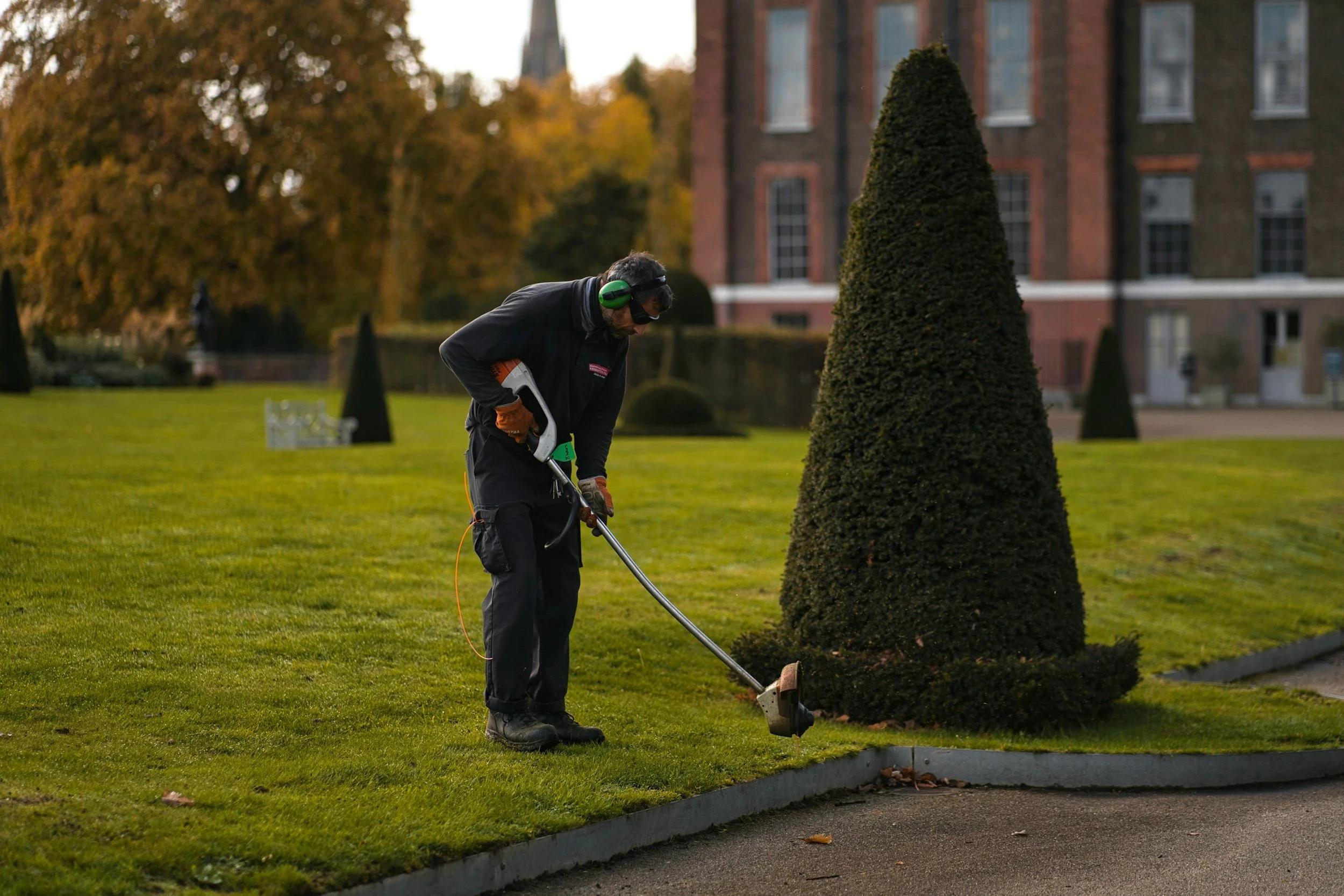
Which Qualification Fits Your Experience?
One of the most common questions candidates ask is which qualification best matches their background. The answer depends on the type of work you perform, your level of responsibility, and the skills you use daily. For most experienced workers seeking RPL for Landscaping and Horticulture Workers, the two most common pathways are Certificate III in Landscape Construction RPL and Certificate III in Horticulture RPL. Both qualifications are nationally recognised and allow professionals to convert their workplace experience into formal credentials through Recognition of Prior Learning.
Certificate III in Landscape Construction RPL
This qualification is designed for professionals involved in building, installing, and maintaining outdoor environments. It focuses on practical landscape construction skills used across residential, commercial, and public projects. Many experienced landscapers already perform these duties daily and may be eligible to gain a landscape construction RPL qualification without completing traditional study.
Typical Candidates
Common candidates include landscape labourers, landscape tradespersons, irrigation installers, paving specialists, grounds maintenance workers, landscape contractors, and experienced landscapers. Individuals working on residential developments, commercial landscaping projects, public infrastructure, or outdoor construction projects often possess the competencies assessed through Certificate III in Landscape Construction RPL.
Common Responsibilities
Responsibilities commonly include site preparation, paving installation, retaining wall construction, irrigation systems, drainage solutions, plant installation, turf establishment, outdoor structures, machinery operation, and landscape maintenance. Experience coordinating projects, reading plans, maintaining safety standards, and delivering completed landscape projects can further strengthen eligibility for a landscaping qualification through RPL.
Certificate III in Horticulture RPL
This qualification is suited to professionals involved in plant care, garden maintenance, turf management, and horticultural operations. It recognises practical skills developed through years of experience working with plants, landscapes, parks, gardens, and environmental projects. For many candidates, it provides a direct pathway to obtaining a horticulture qualification through RPL.
Typical Candidates
Typical candidates include gardeners, groundskeepers, horticulture assistants, nursery workers, parks and gardens staff, turf management professionals, environmental restoration workers, and horticulture technicians. Professionals responsible for maintaining public spaces, commercial gardens, sporting facilities, or nursery operations often find their experience aligns well with Certificate III in Horticulture RPL requirements.
Common Responsibilities
Common duties include plant identification, pruning, propagation, soil improvement, fertilisation, weed management, pest and disease control, turf maintenance, irrigation monitoring, garden development, and landscape enhancement. Experience working with a variety of plant species and maintaining healthy outdoor environments demonstrates many of the competencies required for a nationally recognised horticulture qualification through Recognition of Prior Learning.
Why More Workers Are Choosing RPL
As qualification requirements continue to evolve across Australia's landscaping and horticulture industries, many experienced professionals are seeking faster and more practical ways to gain formal recognition for the skills they already use every day. For workers balancing full-time employment, family commitments, and ongoing projects, returning to traditional study can be difficult and time-consuming. Recognition of Prior Learning offers an alternative pathway that values real-world experience rather than requiring candidates to repeat training they have already mastered. Through landscaping RPL Australia and horticulture RPL Australia, experienced workers can convert their practical expertise into nationally recognised qualifications while continuing to work within the industry.
Faster Qualification Pathways
One of the biggest advantages of RPL is the ability to achieve a qualification significantly faster than through traditional classroom-based study. Rather than spending months or years completing coursework, eligible candidates can have their workplace experience assessed against qualification requirements. This allows professionals to obtain a landscaping qualification through RPL or horticulture qualification through RPL while maintaining their current employment and income.
Recognition of Existing Skills
RPL is designed to recognise skills and knowledge that have already been developed through real workplace experience. Whether you have worked in landscape construction, garden maintenance, irrigation installation, turf management, or commercial horticulture, your existing competencies may already meet qualification standards. Instead of learning from the beginning, candidates receive formal recognition for skills they demonstrate every day on the job.
Improved Career Opportunities
A nationally recognised qualification can open doors to new career opportunities throughout the landscaping and horticulture industries. Formal credentials often support promotions, increase employability, strengthen professional credibility, and improve access to supervisory or specialist roles. For many experienced workers, obtaining certification through Recognition of Prior Learning provides a practical pathway to career advancement and long-term professional growth.
The Link Between Qualifications and Career Advancement
Formal qualifications are becoming increasingly important within Australia's landscaping and horticulture industries. While practical experience remains highly valued, many employers now use qualifications as a benchmark when recruiting new staff, promoting employees, or assigning greater project responsibilities. A nationally recognised qualification demonstrates that a worker has achieved industry-standard competencies and possesses both the technical knowledge and practical skills required to perform effectively. Through landscaping RPL Australia and horticulture RPL Australia, experienced professionals can gain the formal credentials needed to align their qualifications with their existing expertise and career goals.
Leadership Opportunities
Many supervisory, team leader, and site coordinator positions require a combination of practical experience and recognised qualifications. Employers often view certification as evidence that a candidate has the technical knowledge, leadership capability, and industry understanding needed to manage teams and oversee projects. Obtaining a landscaping qualification through RPL or horticulture qualification through RPL can support progression into higher-level roles with greater responsibility.
Business Growth
For contractors and business owners, formal qualifications can provide a competitive advantage when tendering for projects, securing contracts, and building client trust. Many commercial and government projects prefer or require qualified personnel as part of their selection criteria. A nationally recognised landscaping qualification or horticulture certification Australia can enhance credibility and demonstrate a commitment to professional standards and quality workmanship.
Long-Term Career Security
A nationally recognised qualification provides transferable credentials that are recognised throughout Australia. Whether seeking new employment opportunities, changing locations, or pursuing specialised industry pathways, qualified workers often enjoy greater career flexibility and mobility. Formal certification also helps future-proof careers by ensuring skills are recognised as industry standards continue to evolve across the landscaping and horticulture sectors.
Conclusion
Australia's landscaping and horticulture industries continue to create strong demand for skilled professionals. Many experienced workers already possess the competencies required for nationally recognised qualifications but lack formal certification. Through RPL for Landscaping and Horticulture Workers, practical experience can be converted into recognised credentials without repeating training already mastered in the workplace.
Whether your experience comes from landscape construction, commercial landscaping, horticulture operations, garden maintenance, irrigation systems, or grounds management, Recognition of Prior Learning can help bridge the gap between experience and qualifications. A recognised qualification can support career advancement, improve employment opportunities, strengthen professional credibility, and provide a pathway toward long-term success within Australia's growing landscaping and horticulture sectors.
Frequently Asked Questions
-
It is a process that assesses workplace experience against nationally recognised qualifications.
-
Experienced landscapers, horticulture workers, gardeners, groundskeepers, and contractors may be eligible.
-
Common qualifications include Certificate III in Landscape Construction and Certificate III in Horticulture.
-
Yes. Business ownership and contracting experience may be used as evidence.
-
Employment records, references, project photos, contracts, certificates, and workplace documentation.
-
Yes, provided it can be verified and assessed.
-
Most candidates complete the process within four to ten weeks.
-
Yes. Qualifications issued by an RTO are recognised throughout Australia.
-
Yes. Formal qualifications can support career progression and leadership opportunities.
-
Landscape construction, horticulture, parks maintenance, irrigation, turf management, and groundskeeping.
-
Yes. Photos often provide strong supporting evidence of practical experience.
-
A free skills assessment determines eligibility and suitable qualification pathways.
-
No. They carry the same recognition as qualifications obtained through traditional study.